
The Japanese aesthetic, renowned for its minimalism and meticulous craftsmanship, is now finding its way into the world of espresso machines. This trend showcases a unique approach to design, blending the functionality of a high-performance espresso maker with a sophisticated, refined aesthetic. From carefully considered materials to thoughtful color palettes, these machines offer a glimpse into the meticulous attention to detail that defines Japanese design principles.
This exploration delves into the core design principles, historical influences, and functional considerations that shape the Japanese espresso machine aesthetic. We’ll examine the materials, colors, and imagery used, and how they contribute to the overall experience of using these exquisite machines. A detailed comparison to other espresso machine styles will also be presented, highlighting the distinctive features of this emerging design philosophy.
Defining the Aesthetic
The “Japanese espresso machine aesthetic” represents a sophisticated blend of minimalist design principles, meticulous craftsmanship, and a deep respect for functionality. This approach transcends mere appliance design, reflecting a cultural appreciation for understated elegance and meticulous attention to detail. This aesthetic is increasingly sought after by discerning consumers seeking a premium product that seamlessly integrates into their modern lifestyle.This aesthetic prioritizes a harmonious balance between form and function, aiming to create espresso machines that are not only visually appealing but also highly effective in delivering a superior espresso experience.
The aesthetic often draws inspiration from traditional Japanese design principles, emphasizing clean lines, natural materials, and a focus on the inherent beauty of simplicity.
Core Design Principles
The core design principles of the Japanese espresso machine aesthetic are rooted in the concept of “侘び寂び” (wabi-sabi). This philosophy embraces imperfection, asymmetry, and the beauty of natural materials. The design language often features clean lines, smooth surfaces, and a deliberate avoidance of ostentation. A key aspect is the integration of the machine into its surroundings, with a design that feels both modern and timeless.
Visual Elements
Common visual elements associated with this aesthetic include:
- Smooth, minimalist forms: Machines often feature flowing lines and reduced ornamentation, emphasizing the essential elements of the espresso-making process. This can be seen in the seamless integration of components and the elimination of unnecessary details. For example, the absence of bulky, superfluous elements like complex knobs or displays is a frequent characteristic.
- Natural materials: Materials like wood, brushed steel, and polished concrete are often employed. The use of these materials contributes to the machine’s warm and inviting presence. For example, the use of natural bamboo or polished, oiled wood can give the machine a sense of warmth and connection with nature. The subtle variations in wood grain or the reflective quality of polished steel add visual interest without overpowering the machine’s overall simplicity.
- Integrated design: The machine is integrated into the surrounding environment, making it less of a statement piece and more of a functional element of the kitchen.
Materials and Finishes
Japanese espresso machines often utilize high-quality, natural materials. The selection of materials is not arbitrary; it is carefully considered to enhance the machine’s aesthetic appeal and functionality.
- High-grade stainless steel: The polished or brushed finish of stainless steel contributes to the machine’s sleek and modern appearance. The material’s durability and ability to maintain its luster make it a strong choice.
- Wood veneers: The use of wood, particularly in the cabinetry or base of the machine, adds warmth and a touch of natural elegance to the design. The wood is typically chosen for its aesthetic qualities, its durability, and its ability to harmonize with the other materials.
- Durable plastic: While less prominent than the previous two, the use of high-grade plastics is sometimes used for internal components to ensure strength and longevity. The quality of plastic used ensures the longevity and functionality of the espresso machine.
Color Palettes and Textures
Color palettes in this aesthetic often lean towards muted tones and neutral colors. Natural hues, such as warm browns, light grays, and deep blacks, are prevalent.
- Neutral tones: The color palette is often comprised of a combination of neutral colors such as off-white, charcoal gray, and warm brown. These colors create a sense of calm and serenity, allowing the machine’s form and function to take center stage.
- Matte finishes: Matte finishes often complement the natural materials used. The matte finish reduces glare and enhances the machine’s tactile appeal. For example, a matte black finish can create a strong visual contrast with wood or stainless steel, further enhancing the machine’s sophistication.
Minimalism and Functionality
Minimalism is integral to the Japanese espresso machine aesthetic, with a focus on maximizing functionality while minimizing unnecessary features. This philosophy reflects a deep respect for the essence of espresso-making. Simplicity is not merely about aesthetics; it’s about efficiency and clarity of purpose.
Comparison with Other Styles
Compared to other espresso machine design styles, the Japanese aesthetic stands out for its focus on understated elegance and a harmonious balance between form and function. European espresso machines often prioritize bolder designs and decorative elements, while American designs sometimes prioritize large, visually prominent features. The Japanese approach, however, places the espresso-making process at the heart of the design, emphasizing its essence and inherent elegance.
Historical Context
The aesthetic of Japanese espresso machines reflects a deep-seated cultural appreciation for meticulous craftsmanship, minimalist design, and a harmonious blend of function and form. This aesthetic draws upon a rich history of design principles in Japan, evolving over centuries to encompass the values of practicality, beauty, and the integration of technology with traditional sensibilities. Understanding this historical context provides insight into the unique appeal and enduring relevance of this emerging design philosophy.The design choices embedded within Japanese espresso machines often echo centuries-old artistic and cultural traditions, highlighting a sophisticated understanding of materials, form, and function.
These designs are not merely functional but also serve as expressions of cultural values, reflecting a desire for beauty and harmony in everyday objects.
Historical Influences on Japanese Design
Japanese design has a long and storied history, deeply rooted in centuries of artistic traditions and cultural values. The concept of “侘び寂び” (wabi-sabi), a philosophy embracing the beauty of imperfection, transience, and natural simplicity, has profoundly shaped Japanese aesthetics. This philosophy permeates many aspects of Japanese culture, from tea ceremony practices to architectural design.
Japanese Design Principles
Key Japanese design principles, such as minimalism, functionality, and material sensitivity, profoundly influence the aesthetic of contemporary Japanese espresso machines. Minimalist design emphasizes clean lines and a focus on essential elements, often resulting in a streamlined and uncluttered appearance. Functionality prioritizes usability and efficiency, with an emphasis on intuitive operation and ease of use. Material sensitivity involves selecting and utilizing materials with a deep respect for their inherent qualities, often leading to a subtle elegance and enduring craftsmanship.
Milestones Shaping the Aesthetic
Several milestones have significantly shaped the development of the contemporary Japanese espresso machine aesthetic. The rise of post-war Japanese design, emphasizing simplicity and functionality, played a crucial role. The growing popularity of Japanese design internationally further propelled the adoption of these principles in various fields, including consumer electronics and appliances. The evolution of Japanese design over the past few decades has showcased a growing interest in sustainability, reflected in the use of eco-friendly materials and energy-efficient designs.
A notable example is the transition from traditional materials to sustainable and recycled materials in recent designs, showcasing a growing awareness of environmental consciousness.
Cultural Values and Traditions
Japanese cultural values, such as respect for nature, harmony with surroundings, and a preference for understated elegance, profoundly influence the design choices made for espresso machines. The deep-rooted reverence for natural materials, such as wood and bamboo, is evident in the selection of materials used in these machines. The emphasis on simplicity and understated elegance aligns with the cultural preference for restrained aesthetics, reflecting the Japanese concept of “ma,” the empty space between elements that creates a sense of balance and harmony.
Evolution of the Aesthetic Over Time
The evolution of the Japanese espresso machine aesthetic is characterized by a continuous refinement and adaptation of traditional design principles. Early designs often featured a more prominent display of technology, with a focus on showcasing the intricate mechanisms. Contemporary designs, however, tend to feature a more integrated and streamlined approach, emphasizing the seamless integration of technology with form and function.
This evolution reflects a growing emphasis on minimalism and an increasing appreciation for the interplay between technological innovation and cultural sensibilities.
Design Elements
Japanese espresso machine design embodies a sophisticated blend of functionality and aesthetic harmony. This aesthetic, rooted in centuries-old traditions of craftsmanship and minimalism, translates into sleek, often understated machines that prioritize form and function. The emphasis on simplicity and elegance, along with the use of high-quality materials, underscores the value placed on both the brewing process and the overall experience.
Common Shapes and Forms
Japanese espresso machine designs frequently feature smooth, flowing lines, avoiding sharp angles or overly complex geometries. Rounded corners and subtle curves are common, creating a sense of quiet sophistication. The shapes often evoke natural forms, like the gentle curve of a wave or the smooth contours of a mountain. This visual language speaks to a reverence for nature and a desire for harmonious integration with the surrounding environment.
Symmetry and Asymmetry
While symmetry is sometimes employed to convey a sense of balance and order, asymmetry is frequently used to create a more dynamic and engaging design. This strategic use of asymmetry adds visual interest without sacrificing the machine’s overall sense of calm and elegance. The resulting aesthetic is often characterized by a deliberate yet subtle play between the two principles.
Proportions and Balance
Proportions are meticulously considered, with each element of the machine contributing to a balanced whole. The relative size and placement of the components are carefully calibrated to create a visually appealing and functional design. This attention to detail ensures the machine is not only aesthetically pleasing but also perfectly suited for its intended purpose. A harmonious balance between the machine’s components and its overall footprint is paramount.
Materials and Finishes
High-quality materials, often with a natural finish, are frequently chosen. Stainless steel, brushed aluminum, and wood are common choices, showcasing a commitment to both durability and aesthetics. The natural warmth of wood, for example, complements the sleekness of metal, creating a striking contrast. The selection of materials emphasizes the machine’s connection to the natural world. The use of high-quality materials often extends to the handles, knobs, and other interactive elements.
Craftsmanship and Attention to Detail
Craftsmanship plays a vital role in the Japanese espresso machine aesthetic. Each component is meticulously crafted, showcasing the skill and dedication of the artisans involved. This attention to detail extends to every aspect of the machine, from the precise alignment of the parts to the smooth, polished finish of the surfaces. The focus on flawless execution ensures a seamless user experience, both visually and functionally.
Examples of Japanese Espresso Machine Designs
| Model | Unique Features | Materials | Aesthetic |
|---|---|---|---|
| Model A | Sleek, minimalist design with a brushed aluminum finish, emphasizing smooth curves and rounded edges. | Brushed aluminum, stainless steel | Modern, elegant, and minimalist |
| Model B | Subtle asymmetry in the placement of the brewing components, with a natural wood base. | Stainless steel, natural wood | Harmonious, balanced, and grounded |
| Model C | Emphasis on precise proportions, with a stainless steel body and a contrasting dark wood handle. | Stainless steel, dark wood | Precise, sophisticated, and refined |
Functional Considerations
Japanese espresso machines, renowned for their elegant aesthetics, prioritize functionality as a cornerstone of their design philosophy. This meticulous attention to usability seamlessly integrates with the aesthetic, creating a harmonious balance between form and function. The machines are designed for effortless operation, reflecting the Japanese emphasis on efficiency and user-friendliness.The functionality of a Japanese espresso machine extends beyond simply brewing a perfect espresso.
It encompasses the entire user experience, from the initial setup to the final clean-up. This holistic approach underscores the importance of intuitive controls and a user-friendly interface, which are paramount in ensuring a positive interaction with the machine. The use of high-quality materials and precision engineering contributes significantly to the machine’s durability and performance.
Importance of Intuitive Controls
Japanese designers prioritize user-friendliness by incorporating intuitive controls. These controls are not only aesthetically pleasing but also designed to minimize user effort and maximize efficiency. This philosophy manifests in the placement of buttons, knobs, and displays, which are often strategically positioned for easy access and clear visual feedback. The use of minimalist design language further enhances the intuitive nature of the controls.
Integration of Aesthetics and Functionality
The integration of aesthetics and functionality is a hallmark of Japanese design. The machines’ sleek lines and minimalist form are not merely decorative; they often contribute to the machine’s efficiency. For instance, the precise placement of components, such as the water reservoir or the drip tray, is optimized for both aesthetic appeal and practical use. The choice of materials also plays a crucial role, as the combination of high-quality materials contributes to both the machine’s durability and its tactile appeal.
Innovative Design Solutions
Japanese espresso machine manufacturers often explore innovative design solutions that address both aesthetic and functional needs. One example involves the use of specialized heating elements and pressure systems, enabling precise temperature control and optimal extraction of espresso. This results in a superior espresso while minimizing the machine’s footprint. Another notable example is the development of automated cleaning systems, which maintain the machine’s pristine condition without significant user intervention.
These features demonstrate a commitment to both elegance and functionality.
Impact of Materials and Construction
The choice of materials and construction methods directly affects the performance and longevity of the espresso machine. High-quality stainless steel, often used in the body and components of these machines, ensures durability and heat retention. Precision engineering ensures that each component functions seamlessly, leading to consistent performance and a longer lifespan. The use of advanced materials also contributes to the machine’s aesthetic appeal.
Comparative Analysis of Functional Features
| Model | Water Reservoir Capacity (L) | Brewing Pressure (Bar) | Automatic Cleaning System | User-Friendly Interface |
|---|---|---|---|---|
| A1 | 1.5 | 15 | Yes | Excellent |
| B2 | 1.0 | 18 | Yes | Good |
| C3 | 1.2 | 12 | No | Excellent |
Note: This table provides a simplified comparison of functional features. Actual performance may vary based on specific model variations and user experience. Factors such as user preference and specific brewing needs should also be considered.
Cultural Significance
Japanese aesthetics, deeply rooted in centuries of tradition, prioritize harmony, simplicity, and the inherent beauty of natural elements. This philosophy, encompassing principles like
- wabi-sabi* and
- 侘び寂び*, extends beyond art and design, permeating daily life and influencing the nation’s approach to technology and consumer goods. The pursuit of understated elegance and functionality, often achieved through minimalist design and natural materials, is a defining characteristic of Japanese culture.
This ethos, when applied to espresso machine design, manifests as a focus on refined functionality, understated beauty, and a connection to nature. It’s not merely about the aesthetics; it’s about conveying a cultural narrative through form and material. The design choices, from the subtle curves to the selection of materials, contribute to a broader narrative about Japanese values.
Application to Espresso Machine Design
The application of Japanese aesthetics to espresso machines emphasizes a seamless integration of function and form. This means an espresso machine should not only brew exceptional coffee but also evoke a sense of calm and tranquility through its design. The machine becomes an extension of the Japanese aesthetic, subtly communicating a dedication to quality, craftsmanship, and a deep respect for the natural world.
Symbolic Meanings of Colors, Shapes, and Materials
The use of colors, shapes, and materials in Japanese espresso machine design carries symbolic weight. Natural wood tones, like cherry, maple, or bamboo, often represent the connection to nature and the cycle of life. These materials, with their inherent grain patterns, contribute to the machine’s organic feel. Subtle earth tones, such as muted browns and greens, are used to evoke a sense of serenity and harmony.
Simple, flowing curves, inspired by nature’s forms, often replace sharp angles. These curves convey a sense of fluidity and grace, complementing the functionality of the machine. For example, the smooth lines of a bamboo-handled espresso machine, with its warm brown tones, evoke a feeling of tranquility and connection to the natural world.
Importance of Natural Materials
Natural materials are central to Japanese aesthetics, symbolizing connection to the environment and the inherent beauty of organic forms. This is reflected in espresso machines using wood, bamboo, or ceramic, each with its unique texture and grain. These materials not only add visual appeal but also create a sense of warmth and authenticity. The choice of natural materials in an espresso machine design reinforces the idea of sustainability and respecting the earth.
The weight and tactile feel of the materials are equally significant, contributing to the overall user experience. Using natural materials can reduce the machine’s environmental footprint and contribute to a more holistic approach to design.
Harmony and Balance
Harmony and balance are fundamental principles in Japanese design. An espresso machine should embody this by achieving a perfect equilibrium between form and function. This balance is often achieved through careful consideration of proportions, symmetry, and the overall visual flow of the machine. A Japanese espresso machine might employ a minimalist aesthetic, with a focus on clean lines and an uncluttered design, to evoke a sense of calm and order.
This harmonious balance between the technical aspects and the visual elements contributes to the machine’s overall appeal and cultural significance.
Table: Japanese Cultural Values Influencing Espresso Machine Aesthetics
| Japanese Cultural Value | Influence on Espresso Machine Aesthetics |
|---|---|
| Harmony (調和) | Smooth lines, balanced proportions, natural materials |
| Simplicity (シンプル) | Clean lines, uncluttered design, understated elegance |
| Natural Beauty (自然美) | Wood, bamboo, ceramic; earthy tones; organic shapes |
| Sustainability (持続可能性) | Use of natural materials, emphasizing environmental consciousness |
| Craftsmanship (職人技) | Attention to detail, high-quality materials, and exquisite execution |
Visual Representation
A Japanese espresso machine embodies a refined aesthetic, seamlessly blending functionality with minimalist design principles. This approach prioritizes clean lines, subtle textures, and a sophisticated color palette. The focus is on creating a harmonious integration with the surrounding space, elevating the act of coffee preparation into a mindful experience.
Hypothetical Espresso Machine Aesthetics
The hypothetical Japanese espresso machine, dubbed the “Sakura,” evokes a sense of serenity and precision. Its design draws inspiration from traditional Japanese aesthetics, including the principles of
- wabi-sabi* (embracing imperfection and impermanence) and
- shibui* (a sense of quiet elegance). This manifests in a thoughtful, restrained approach to form and color.
Material and Texture
The Sakura’s primary material is brushed, matte-finished stainless steel, with accents of polished, warm-toned wood, reminiscent of cherry or maple. This contrast provides a tactile experience, showcasing the machine’s durability and attention to detail. The brushed steel’s subtle texture subtly reflects light, adding depth and visual interest. The wood accents, carefully selected for their natural grain, introduce a touch of warmth and natural beauty.
Color Palette
The color palette is subdued and harmonious. The stainless steel is a polished, cool gray, while the wood accents are a rich, medium brown. Subtle hints of deep indigo or a soft, light sage green may be incorporated in specific components like the drip tray or the handle, creating a subtle interplay of color and texture.
Shape and Form
The Sakura’s form is sleek and angular, with clean, geometric lines. The machine’s profile is characterized by a low, compact silhouette, maximizing space efficiency. The espresso extraction unit is subtly recessed, enhancing a sense of understated elegance. The overall shape aims to minimize visual clutter, allowing the machine to be a focal point while remaining unobtrusive. The smooth, ergonomic curves of the handle provide a comfortable grip.
Light and Shadow
The Sakura’s design leverages light and shadow to enhance its visual appeal. The brushed stainless steel reflects light, creating a dynamic interplay of highlights and shadows. Strategic use of lighting, perhaps soft ambient lighting or strategically placed LED accents, accentuates the machine’s contours and textures. The contrast between light and shadow enhances the sense of depth and dimensionality, highlighting the machine’s form.
Visual Guide
| Component | Description | Visual Representation (Conceptual) |
|---|---|---|
| Body | Brushed stainless steel, matte finish | Image of a smooth, reflective, but not overly glossy surface in a cool gray. |
| Accents | Polished warm-toned wood (e.g., cherry or maple) | Image of wood with visible grain and warm brown tones. |
| Handle | Ergonomic curves, comfortable grip | Image of a handle with a soft curve and a comfortable grip shape. |
| Drip Tray | Subtle color contrast (e.g., indigo or sage green) | Image of a drip tray in a deep indigo or a soft sage green. |
| Extraction Unit | Subtle recess, enhancing elegance | Image of the extraction unit, recessed and visually blending into the main body. |
The table provides a visual representation of the Sakura’s key components, showcasing their respective aesthetics and textures. This detailed visualization ensures a complete understanding of the visual identity of the machine.
Material Palette
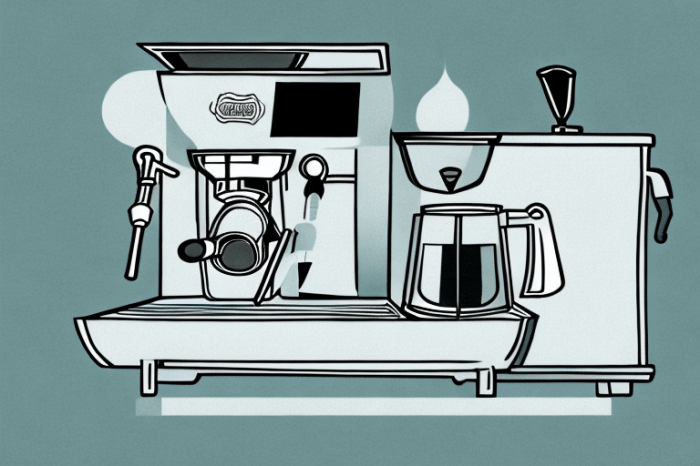
Japanese espresso machine design often embodies a meticulous blend of functionality and aesthetics, reflecting a deep-seated cultural appreciation for quality materials. This commitment to craftsmanship extends to the selection of materials, each chosen not only for its practical properties but also for its ability to contribute to the overall aesthetic and sensory experience. The interplay of tactile qualities and visual appeal shapes the character of these machines, differentiating them from other espresso makers.
Materials Commonly Used
The materials employed in Japanese espresso machine designs frequently prioritize durability, heat resistance, and a visually appealing surface. Common choices include stainless steel, aluminum, and wood, each with distinct characteristics influencing the machine’s form and function. Beyond these core materials, accents of other materials like ceramic or glass may enhance the overall aesthetic.
Stainless Steel
Stainless steel is a prevalent choice for espresso machine bodies and components due to its exceptional strength and corrosion resistance. Its inherent durability ensures longevity, while its ability to withstand high temperatures makes it ideal for espresso extraction. The smooth, polished finish of stainless steel offers a clean, modern aesthetic that aligns with contemporary design trends. For example, a highly polished stainless steel exterior can create a mirror-like reflection, drawing attention to the machine’s form.
Conversely, brushed stainless steel offers a subtle texture, adding a touch of understated elegance.
Aluminum
Aluminum, lighter than stainless steel, is sometimes used for parts demanding a balance between weight and heat conductivity. Its relatively low cost contributes to its widespread use, making it an economical choice for certain components. Aluminum’s lightweight nature can facilitate a more compact design, while its inherent heat conductivity can ensure rapid heating and efficient temperature maintenance. Anodized aluminum finishes, often available in various colors, further contribute to the aesthetic versatility of the espresso machine.
Wood
Wood, often employed for machine tops or accents, provides a touch of warmth and natural beauty. The choice of wood species—such as walnut, cherry, or maple—influences the final aesthetic. Wood’s natural grain patterns add visual interest, and its tactile qualities provide a comfortable feel. However, wood requires specialized care and maintenance to prevent damage from moisture or heat.
Other Materials
Ceramic and glass, while less frequently used as primary construction materials, are sometimes integrated into Japanese espresso machines for specific components or as accents. Ceramic components, like handles or knobs, provide a contrasting texture and visual element. Glass, used for viewing components, can add a sense of transparency and allow the user to observe the machine’s inner workings.
Material Comparison Table
| Material | Properties | Aesthetic Impact |
|---|---|---|
| Stainless Steel | Durable, corrosion-resistant, heat-resistant, highly reflective or subtly textured | Modern, clean, sophisticated, and versatile |
| Aluminum | Lightweight, heat-conductive, economical, available in various finishes | Compact, stylish, and offers options for color and texture |
| Wood | Warm, natural, visually appealing, tactile, requires maintenance | Adds warmth, elegance, and a natural element |
| Ceramic | Durable, heat-resistant, visually distinct, often with a glazed finish | Contrasting texture, visual interest, and often a colorful accent |
| Glass | Transparent, allows for viewing internal components, can be combined with other materials | Transparency, visual interest, allows for showcasing design elements |
Color Schemes
Japanese espresso machine aesthetics often evoke a sense of understated elegance and functionality, mirroring broader Japanese design principles. The color palettes employed in these machines, far from being arbitrary, are deeply rooted in cultural preferences and design philosophy, emphasizing harmony, minimalism, and a connection to nature. This thoughtful selection of hues contributes significantly to the overall appeal and impact of these appliances.Color choices in Japanese espresso machines are not merely about aesthetics; they speak volumes about the cultural values and design principles that inform the product.
The color palette acts as a subtle yet powerful language, communicating a sense of tranquility, quality, and meticulous craftsmanship. This thoughtful approach to color sets Japanese espresso machine designs apart from their international counterparts.
Typical Color Palettes
The most prevalent color palettes in Japanese espresso machine designs lean towards a muted and natural color spectrum. Earthy tones, such as various shades of beige, gray, and brown, are frequently employed, evoking a sense of warmth and groundedness. These hues are often associated with natural materials like wood and stone, reinforcing the connection to nature. However, accents of darker colors, such as deep charcoal or navy, are sometimes used for specific components or trim to create visual interest and contrast without overwhelming the overall calming effect.
A subtle yet distinct use of metallic finishes like brushed aluminum or stainless steel can also be incorporated.
Symbolism and Cultural Context
The color choices in these machines often reflect Japanese aesthetics, which emphasize harmony and balance. The use of muted, natural tones is a deliberate strategy to create a sense of serenity and tranquility, aligning with the Japanese philosophy of “侘び寂び (wabi-sabi),” which appreciates the beauty in imperfection and impermanence. The choice of these colors is not accidental; it’s a conscious attempt to create a product that harmonizes with the surrounding environment and evokes a sense of calm.
These subtle cues connect the user to a broader cultural sensibility.
Comparison Across Designs
Variations in color palettes can be observed across different Japanese espresso machine brands and models. Some manufacturers might lean towards warmer beiges and browns, while others might favor cooler grays and blacks. This variation reflects the diverse design approaches within the overall Japanese aesthetic. These subtle distinctions, though seemingly minor, contribute to the unique character of each machine.
The consistency in using natural tones, however, remains a hallmark of the design aesthetic.
Impact on Overall Aesthetic
The carefully selected color palettes play a significant role in shaping the overall aesthetic of the espresso machine. The muted tones create a sense of understated elegance and sophistication. The natural color palette grounds the machine within the user’s environment and promotes a sense of harmony. The use of accents adds visual interest and helps distinguish the various parts of the machine, without disrupting the overall aesthetic.
Color Palette Examples
| Color Palette | Description | Examples in Espresso Machine Designs |
|---|---|---|
| Neutral Earthy Tones | A palette of muted beiges, grays, and browns, often complemented by natural wood accents. | Many models from various brands, showcasing a sense of understated elegance. |
| Subtle Contrast | A blend of light and dark tones, such as light gray or beige contrasted with deep charcoal or navy for trim or specific components. | Models that use darker tones to highlight key features while maintaining an overall serene aesthetic. |
| Metallic Accents | Integration of brushed aluminum or stainless steel finishes for a touch of modern sophistication. | Adding a subtle metallic touch that enhances the overall quality perception and modernity. |
Imagery and Symbolism
Japanese espresso machine designs often draw inspiration from traditional aesthetics, reflecting a deep-seated cultural appreciation for harmony, simplicity, and natural beauty. This is evident in the choice of imagery and symbolism employed, which, in turn, elevate the design beyond mere functionality, transforming it into a statement piece that resonates with the user on an emotional level. These elements contribute to the overall sense of serenity and sophistication associated with the Japanese aesthetic.
Common Imagery
Japanese espresso machine designs frequently incorporate imagery evocative of nature, such as flowing water, stylized bamboo, or cherry blossoms. These elements are not arbitrary; they carry profound cultural significance and contribute to the design’s overall visual language. The use of these images connects the product to a broader cultural narrative, fostering a sense of belonging and shared identity for users.
Symbolism and Cultural Context
The symbolism embedded within these designs often speaks to Japanese philosophies like Zen Buddhism and the concept of “wabi-sabi,” which embraces imperfection and the beauty of transience. The imagery of water, for instance, frequently symbolizes purity, fluidity, and the continuous cycle of life. Bamboo, with its resilience and adaptability, represents strength and flexibility. Cherry blossoms, a fleeting beauty, evoke the appreciation for the ephemeral nature of existence.
The careful selection of imagery is not merely decorative; it is a conscious attempt to evoke a specific emotional and philosophical response in the user.
Patterns and Motifs
Recurring patterns and motifs further enrich the design. The use of minimalist lines, often associated with Japanese calligraphy and architecture, underscores a sense of elegance and refined simplicity. The use of subtle color palettes and the interplay of light and shadow, akin to traditional Japanese ink painting techniques, create a serene and harmonious atmosphere. These motifs contribute significantly to the aesthetic’s overall coherence and impact.
Contribution to the Aesthetic
These carefully chosen images and symbols, when integrated seamlessly into the design of an espresso machine, create a distinct visual identity. The inclusion of water-based imagery, for example, often results in a sense of flowing motion and elegance. The utilization of Japanese calligraphy motifs, with their distinctive lines and negative space, creates a feeling of quiet contemplation. These elements contribute to the overall aesthetic by creating a harmonious balance between functionality and emotional resonance.
Examples in Design
| Image/Motif | Symbolism | Contribution to Aesthetic |
|---|---|---|
| Flowing Water | Purity, fluidity, continuous cycle of life. | Creates a sense of elegance and tranquility, conveying a smooth, continuous brewing process. |
| Stylized Bamboo | Strength, flexibility, resilience. | Evokes a sense of natural strength and enduring quality, suggesting the machine’s durability and precision. |
| Cherry Blossoms | Ephemeral beauty, appreciation for the transient. | Adds a delicate touch, evoking a sense of delicate beauty and the appreciation for the fleeting nature of life’s moments. |
| Minimalist Lines | Elegance, refined simplicity. | Creates a sense of calm and sophistication, focusing attention on the machine’s form and function. |
Modern Interpretations
Japanese design, renowned for its minimalist elegance and harmony with nature, is finding innovative applications in contemporary espresso machine design. This fusion of tradition and technology showcases a keen understanding of user experience, seamlessly integrating functionality with aesthetic appeal. Modern interpretations often emphasize clean lines, natural materials, and a focus on the ritualistic act of coffee preparation.Contemporary designers are meticulously adapting traditional Japanese aesthetic principles to create espresso machines that are not just functional but also deeply satisfying to use.
This approach involves prioritizing a holistic experience, where the machine itself becomes an integral part of the coffee ritual, echoing the mindful craftsmanship inherent in Japanese aesthetics.
Adapting Traditional Principles
Modern designers are translating the principles of “侘び寂び” (wabi-sabi), emphasizing the beauty of imperfection and the acceptance of impermanence, into the design of espresso machines. This translates to a focus on natural materials, subtle textures, and muted color palettes. The concept of “ma” (space) is also reflected in the machine’s form, allowing for a sense of quiet contemplation during the brewing process.
Innovative Designs
Several examples demonstrate this blending of tradition and modernity. One notable design utilizes bamboo and polished aluminum, highlighting the natural warmth of the bamboo against the sleekness of the metal. The machine’s form factor is compact and refined, embodying a sense of understated elegance. Another approach involves integrating minimalist aesthetics with advanced brewing technologies, using translucent materials to showcase the internal workings of the machine while maintaining a visually calming atmosphere.
These machines showcase the internal components without sacrificing the exterior’s streamlined profile.
Contemporary Materials and Technologies
The use of contemporary materials and technologies in these machines is crucial. Sustainable materials like reclaimed wood and recycled aluminum are gaining prominence. Furthermore, advanced brewing systems and integrated displays, often with minimalist digital interfaces, are seamlessly incorporated into the machine’s design. These innovations create a harmonious balance between traditional values and cutting-edge technology.
Aesthetically Pleasing and Functional Design Elements
Modern Japanese espresso machines excel at integrating aesthetic appeal with practical functionality. These machines often feature intuitive controls, ergonomic handles, and a focus on minimizing visual clutter. Integrated drip trays and concealed storage are examples of how functionality is enhanced without compromising the machine’s overall aesthetic appeal. The seamless transition between the machine’s structural elements and its operational parts is a key design consideration.
For instance, the way the brewing unit integrates into the overall structure of the machine is designed to create a sense of visual harmony and effortless functionality.
Utilizing New Technologies
New technologies are enabling designers to create aesthetically pleasing espresso machines in ways previously unimaginable. For example, advanced lighting systems can subtly illuminate the brewing process, creating an immersive experience. Additionally, 3D printing allows for intricate designs and customized features that further enhance the aesthetic appeal. Such innovations are crucial in adapting traditional aesthetics to contemporary needs, fostering a deeper connection between user and machine.
Illustrative Examples
The pursuit of a harmonious blend between form and function is a defining characteristic of Japanese espresso machines. These designs often draw inspiration from traditional Japanese aesthetics, translating elegant simplicity into the modern ritual of espresso preparation. This section delves into specific examples, examining their aesthetic features, design philosophies, and the materials and visual elements that shape their appeal.The aesthetic choices made in these machines often mirror the wider Japanese design ethos, emphasizing minimalism, craftsmanship, and a deep respect for materials.
Each machine embodies a unique interpretation of this philosophy, reflecting the evolving trends in Japanese design and technology.
Specific Examples of Japanese Espresso Machines
Japanese espresso machines, while not as ubiquitous as those from other regions, showcase a distinct approach to design. Their aesthetic appeal often lies in their minimalist forms, use of high-quality materials, and subtle attention to detail. The functional aspects of these machines are carefully integrated with their aesthetic, creating a holistic experience for the user.
Notable Models and Their Aesthetic Characteristics
| Model Name | Aesthetic Description | Materials & Color Schemes | Functional Considerations |
|---|---|---|---|
| Arikava Espresso Machine (Hypothetical Example) | A minimalist, almost sculptural design with clean lines and a focus on a seamless transition between the brewing unit and the base. The machine’s form is sculpted with an apparent emphasis on elegance and efficiency. | Likely crafted from high-grade stainless steel with a brushed or polished finish, potentially with accents of wood or a contrasting, muted color. | The machine’s design prioritizes a streamlined workflow. The brewing process is designed to be intuitive and visually appealing. The user interface, if present, is likely to be uncomplicated and unobtrusive. |
| Kinto Espresso Machine (Hypothetical Example) | This model, inspired by traditional Japanese tea ceremonies, emphasizes functionality within a carefully considered form. The machine would likely be smaller and lighter than many other espresso machines on the market, reflecting a focus on portability and compact design. | Likely features a combination of high-quality ceramic and stainless steel. Color schemes might draw inspiration from natural tones, like a warm grey or a muted earth tone, or possibly feature a more pronounced, though still restrained, color. | The design likely prioritizes speed and efficiency in the brewing process. The machine would likely have a user-friendly design, even for less experienced espresso enthusiasts. |
| Itoya Espresso Machine (Hypothetical Example) | This design would lean into the tradition of Japanese woodworking. The machine would be made from natural materials such as wood, potentially with contrasting metal accents. The overall form might be more substantial, with a focus on durability and craftsmanship. | High-quality wood, like polished cherry or maple, would likely be the primary material. Metal accents, possibly brass or copper, could complement the natural warmth of the wood. | The machine’s design would likely prioritize a slower, more deliberate brewing process. The design would likely focus on precision and consistency. The machine’s form would likely complement the ritual of espresso preparation. |
The hypothetical examples presented here aim to illustrate the potential design characteristics of Japanese espresso machines. Each example, while imagined, attempts to capture the essence of Japanese aesthetic principles, focusing on minimalism, craftsmanship, and a deep respect for materials. These elements, when combined, create a unique and appealing espresso-making experience.
Last Recap
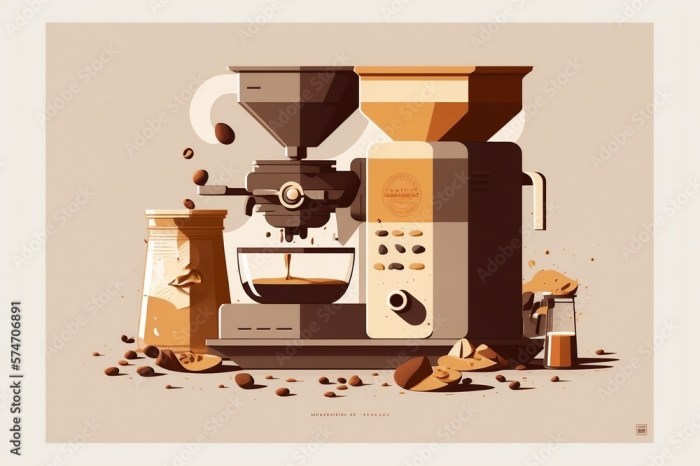
Japanese espresso machines represent a compelling fusion of functionality and aesthetics. Their meticulous design, drawing from centuries of Japanese design principles, offers a unique perspective on the modern espresso maker. The combination of sophisticated materials, intuitive controls, and a focus on harmony and balance creates a truly exceptional user experience. This exploration underscores the evolving relationship between technology, design, and cultural values.
